Uniți pentru o lume care să fie la fel pentru toți!
Națiunile Unite este una dintre organizațiile esențiale pentru bună dezvoltare globală. Promovând valorile cele mai de preț ale umanității, această organizație a lansat o varietate de programe destinate îmbunătățirii nivelului de trăi pe întreg Globul. Inițiativa pentru Dezvoltare este unul dintre cele mai recente (2015) și este un program ambițios care implică toate cele o sută șapte zeci de state și regiuni în care se regăsesc reprezentanți ai acestei organizații.
A început ca o Agendă pentru o Dezvoltare Durabilă la nivel global, care își propune ca până în anul 2030 să identifice și să implementeze cele mai bune soluții pentru creșterea nivelului de trăi al tuturor locuitorilor Pământului. De la viața pe pământ și până la cea subacvatică, de la acțiuni bine direcționate și cu efecte imediate la nivel de climă și până la eliminarea sărăciei și a foametei, această inițiativă încearcă să ofere opțiuni viabile acelor țări care se confrunte cu grave probleme la nivel natural/social/politic/economic și uman.
Acțiunile Națiunilor Unite sunt la un nivel ridicat încă de acum cincizeci de ani, numai că, la nivel local, continental și internațional, oamenii încă nu au perceput la justa valoare necesitatea de a avea un nivel de trăi decent pentru toți locuitorii Terrei. Ambițiile personale (din toate domeniile) au avut ca rezultat un status-quo ce pare ireparabil în aceste momente. Încă din anul 1990, Națiunile Unite prezintă rapoarte pe diverse regiuni, care se referă la toate aspectele vieții umane, de la cele politice, economice și sociale și până la cele care implică valorile cele mai prețioase ale umanității. Prin structurile sale și prin voluntarii care s-au alăturat proiectelor dezvoltate de-a lungul timpului, Națiunile Unite și Programul sau de Dezvoltare înseamnă pași concreți făcuți către atingerea obiectivelor stabilite în această Agendă.
Ce înseamnă Inițiativa Națiunilor Unite pentru Dezvoltare?
Dincolo de planuri strategice de combatere a sărăciei și eliminarea conceptului de foamete ori de stabilirea unor programe care să contribuie în mod decisiv la egalitatea în drepturi de gen, această Inițiativă este o dorință de mai bine la nivel global.
Activitatea de peste cinci zeci de ani a acestei organizații se reflectă în toate acele succese obținute de-a lungul timpului; unele mai mari, altele mai mici. Chiar dacă omenirea este în continuare sub amenințarea auto-distrugerii, astfel de inițiative reprezintă acele momente de frânare, care reduc viteza cu care ne îndreptăm către prăpastia ignoranței și distrugerii. Va reuși, oare, UNDP să ajute omenirea să își repare propriile greșeli la timp și fără efecte ireparabile?
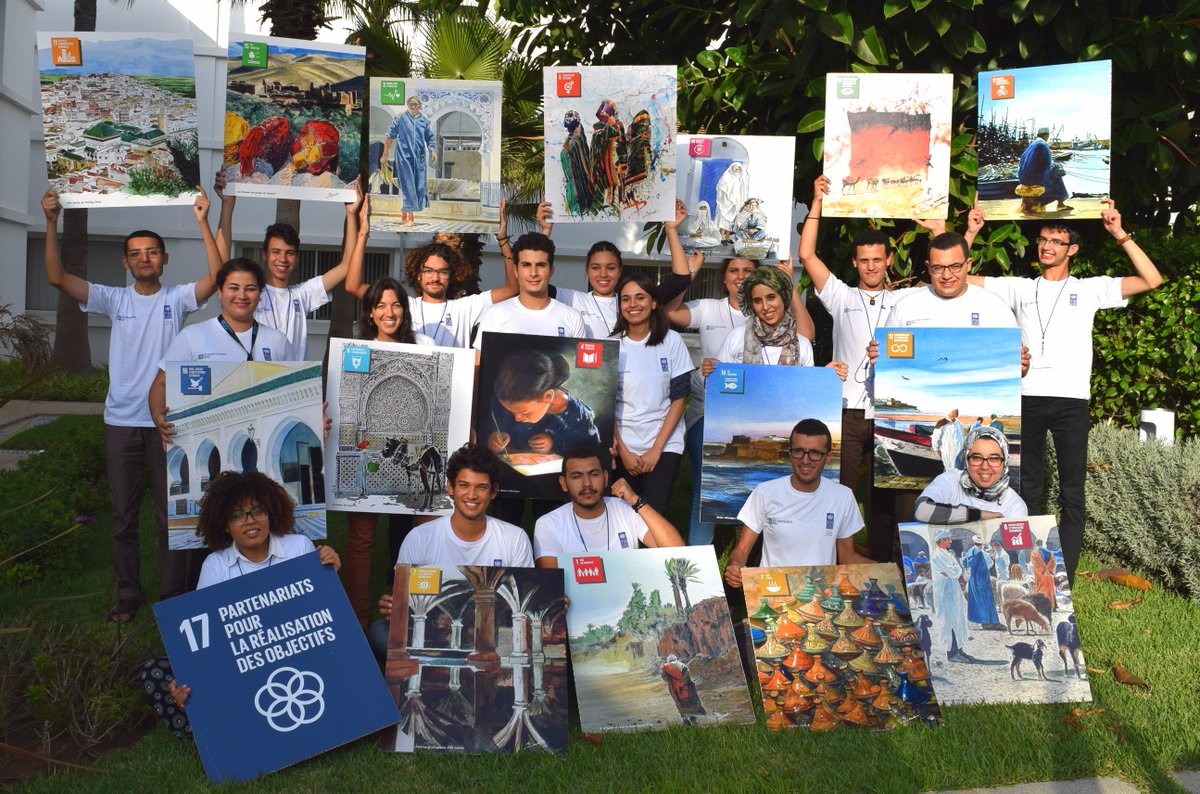
Practic, Programul de Dezvoltare al Națiunilor Unite înseamnă:
- 160 de state în care își desfășoară activitatea 6500 de persoane care activează ca voluntari; În acest articol puteți afla mai multe despre ei și despre succesele lor.
- Agenția de Dezvoltare cu cel mai ridicat grad de transparență la nivel mondial;
- 4000 de proiecte în care sunt implicate 155 de state și regiuni ale lumii;
- 5 miliarde de dolari obținuți în fiecare an din partea tuturor celor care sunt implicați în mod voluntar în aceste proiecte;
- Un program în 17 puncte prin care se urmărește în mod clar atingerea unor obiective care să permită crearea unui mediu prietenos pentru întreaga omenire.
Obiectivele UNDP la nivel global
Precum toate inițiativele susținute de către liderii mondiali, acest program își propune o serie de obiective îndrăznețe. Unele dintre acestea sunt realizabile în perioada impusă ca termen-limită (până în 2030), în timp ce altele au nevoie de o susținere puternică și o implicare masivă pentru a putea fi duse la bun sfârșit. Iată care sunt obiectivele stabilite de UNDP în cadrul Agendei 2030 pentru dezvoltarea mondială:
- Eliminarea sărăciei și a efectelor acesteia la nivel internațional;
- Eliminarea foametei din toate țările lumii, în special din cele aflate în lumea a treia;
- Îmbunătățirea stării de sănătate a omenirii și creșterea nivelului de trai a acesteia;
- Obținerea de rezultate excelente în materie de educație și extinderea nivelului de cunoaștere al populațiilor lumii;
- Egalitatea în drepturi de gen, fără să mai existe state în care femeia să nu aibă un statut egal cu cel al bărbatului;
- Descoperirea de noi resurse de energie curate, regenerabilă și accesibilă tuturor statelor;
- creștere economică și un nivel de muncă decente, de care să se bucure toate națiunile lumii;
- Creșterea industrializării, infrastructurii și a nivelului de inovație;
- Reducerea inegalităților la nivel internațional;
- Dezvoltarea unor comunități și orașe cu un nivel durabil de creștere;
- Stabilirea unui nivel de responsabilitate cât mai bun în vederea consumului corect al resurselor și al realizării de producție pe întreg Globul;
- Intensificarea acțiunilor privind protejarea mediului și schimbarea modificărilor climaterice;
- Prezervarea mediului acvatic și realizarea unor acțiuni de natură a crește nivelul de protecție a apelor de pe întreaga planetă;
- Identificarea celor mai bune soluții în materie de protejare a mediului înconjurător și a naturii prin realizarea unor inițiative la nivel național și internațional;
- Stabilirea unor parteneriate strategice cât mai bine susținute între statele lumii, astfel încât acestea să se pună în slujba binelui comun;
- Întărirea instituțiilor care se ocupă de pacea mondială și de justiție, precum și consolidarea acestor instituții pe plan global.
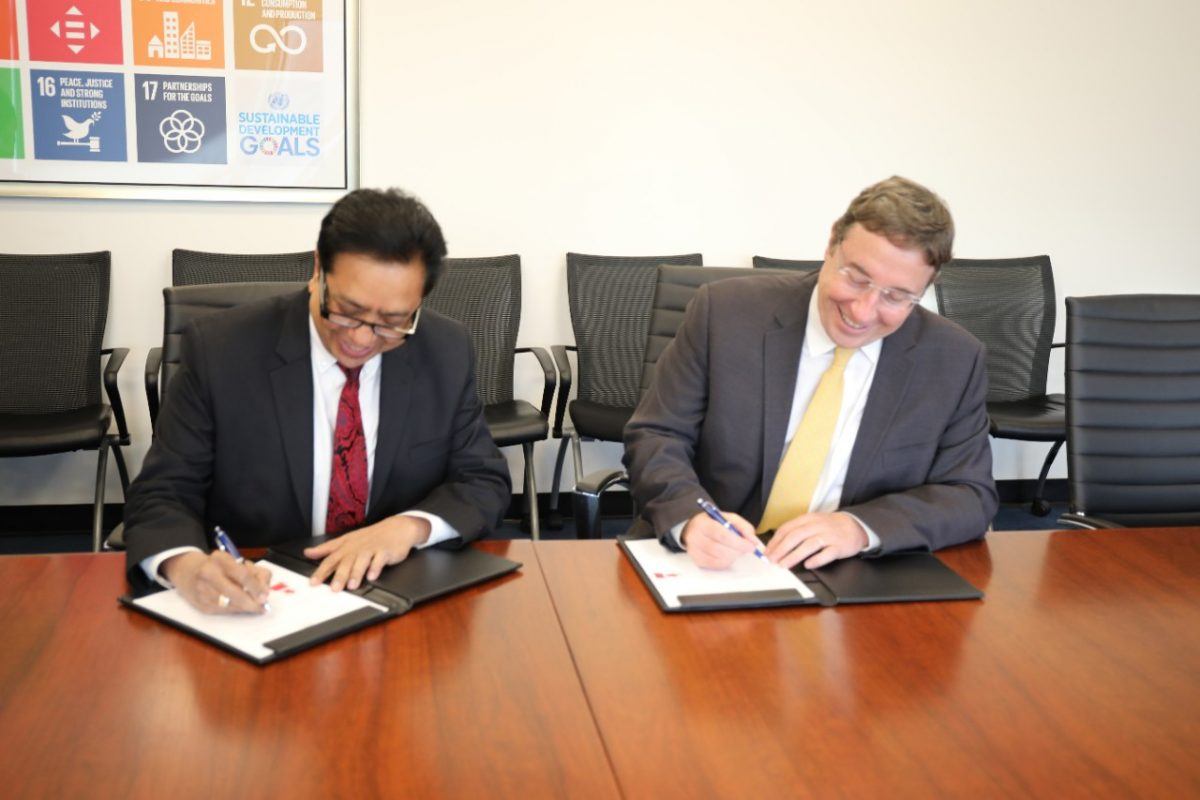
Națiunile Unite și acest Program de Dezvoltare încearcă să ofere omenirii noi șanse de a se dezvolta în mod corespunzător și cu efecte benefice pe termen îndelungat. Aceste obiective își au rădăcinile în Congresul Națiunilor Unite pe tema dezvoltării durabile din 2012 (Rio de Janeiro).
Dar, primele inițiative ale acestui program sunt mult mai vechi, pașii realizați încă din 1990 văzându-se în rezultatele obținute, precum reducerea mortalității infantile cu 50%, a numărului de abandonuri școlare (tot cu 50%) sau creșterea nivelului de câștig pentru un miliard de oameni.
Grație acestei Inițiative, omenirea beneficiază de oportunități de dezvoltare solidă și care să îi ofere șanse reale de reușită. Chiar dacă programele derulate de Națiunile Unite întâmpină dificultăți pe întreg Globul, nu se poate să nu remarcăm faptul că numărul celor care le susțin este în creștere. Așa că, în mod categoric, omenirea încă mai are o șansă de a reuși să redevină măreață! Puteți vedea proiecte curente în România din 2016.